Email invitations
Reach known-fit buyers with segmented email audiences for invite, reminder, and no-show nurture tracks.
AvalenData helps demand teams build webinar audiences, event promotion lists, attendee targeting segments, and post-event follow-up data for virtual sessions, field events, conferences, and executive roundtables.
Define the room by role, account, region, seniority, industry, and topic fit before the invite sequence starts.
Webinar marketing and event marketing are often treated as channel execution. The real constraint is audience quality: who receives the invite, whether the topic matches their current responsibilities, and how cleanly engagement data moves into nurture, sales, and demand generation workflows afterward.
Strong webinar marketing starts before the platform is configured or the speaker deck is finalized. The audience brief needs to decide who should receive the invitation, which accounts deserve extra reminder pressure, what exclusions protect the campaign, and how registrations will be routed after the session.
Teams use these audiences for product education webinars, thought leadership sessions, conference meetings, roundtables, partner events, executive briefings, and demand generation campaigns that need more than broad job-title filters. Each list can be shaped by account profile, location, company size, industry, function, seniority, technology context, and campaign exclusion rules.
Event marketing adds another layer: timing, channel mix, and message continuity. AvalenData supports the data behind invite newsletters, paid and social pools, search-friendly landing pages, video or multimedia promotion, PR and content programs, mobile-ready reminders, offline field-event outreach, and post-event database work without turning the page into a generic channel checklist.
Reach known-fit buyers with segmented email audiences for invite, reminder, and no-show nurture tracks.
Build paid media and social targeting pools that mirror the same ICP used by sales and marketing teams.
Align landing pages, blogs, speaker assets, multimedia, and video promotion to the segments most likely to engage.
Prepare offline outreach, press or partner lists, attended/no-show fields, and sales-ready post-event paths.
Use one consistent data spine across invite planning, registration campaigns, live engagement, and post-event follow-up so every stage points back to the same account and contact definition.
Prioritize companies by industry, size, geography, market segment, and fit with the event promise.
Segment practitioners, influencers, department heads, executives, and buying committee members.
Match webinar themes, speaker expertise, product education, and roundtable topics to likely interest.
Support email, paid media, social, direct outreach, field event invitations, and partner promotion.
Separate registrants, attendees, no-shows, repeat guests, and high-engagement contacts for follow-up.
A focused webinar or event program should not stop at registration. The data model needs to carry intent forward from audience definition into attendee targeting, campaign execution, and revenue follow-up.
Translate the event topic into account and contact rules before the first invitation. This keeps webinar marketing focused on the people most likely to care, attend, and respond after the session.
Company name, industry, size band, location, domain, segment, and market fit for targeted invitations.
Name, role, seniority, department, business email, phone availability, and professional context.
Invite, registered, attended, asked question, no-show, content request, meeting request, or nurture segment.
Suppression, deduplication, geography rules, channel readiness, CRM formatting, and delivery validation.
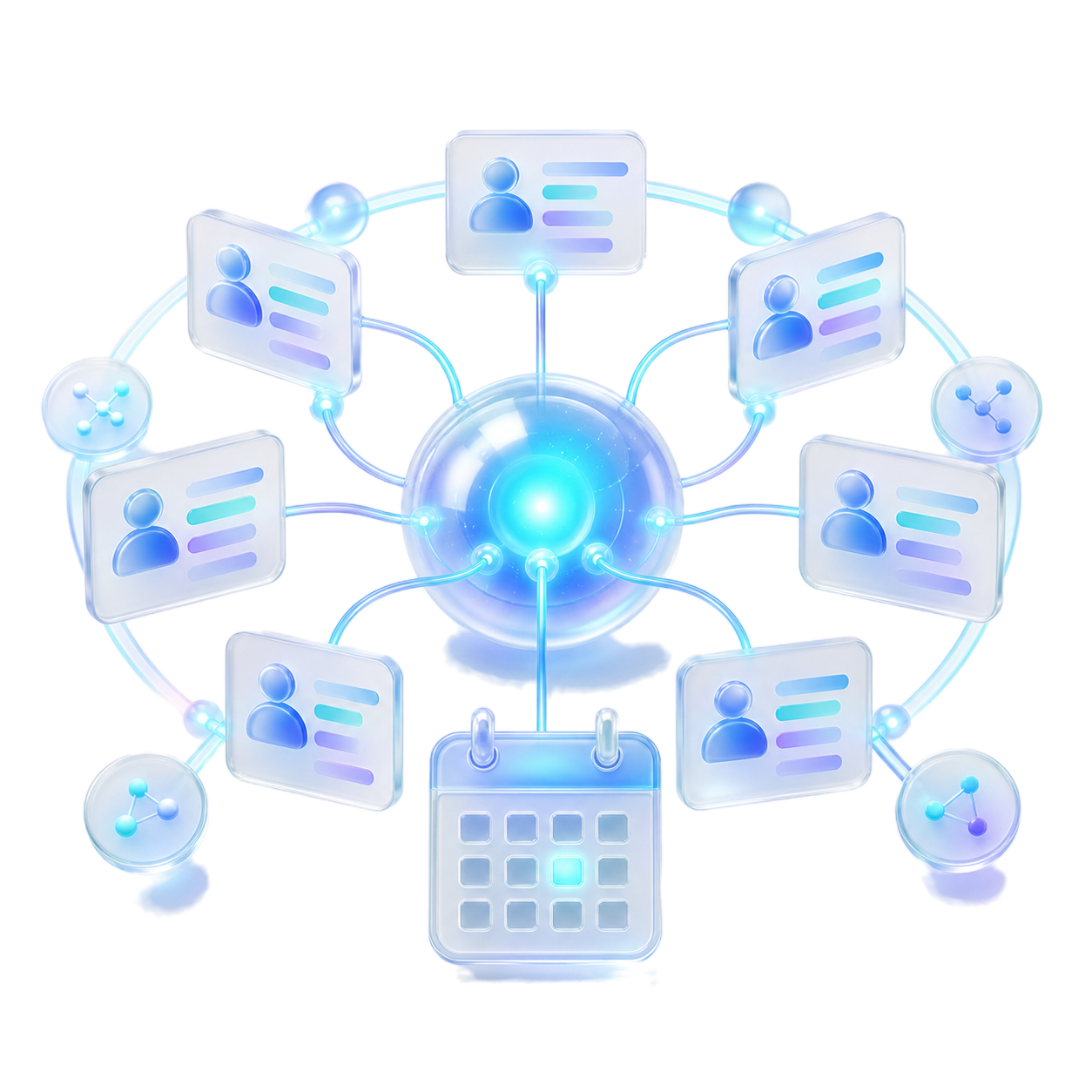
The source pages cover webinar planning, platform setup, execution support, email marketing, social sharing, multimedia promotion, public relations, landing pages, mobile-friendly messaging, and direct follow-up. AvalenData focuses that breadth into a data workflow your team can use with its own event stack.
Build segmented invite lists, matched paid audiences, direct outreach targets, and suppression logic for registration campaigns.
Support reminder paths, role-specific message variants, regional targeting, and audience refreshes as the registration mix changes.
Enrich follow-up records so sales and nurture teams can treat attendees, registrants, and no-shows differently.
Use these checks to decide whether your next webinar or field event needs a net-new audience, a refreshed CRM segment, a matched media pool, or all three.
Generic webinar marketing often starts with channel tactics. AvalenData starts with verified audience rules so email, paid, social, and sales outreach work from the same target market definition.
Yes. The same audience model can support virtual webinars, conferences, roadshows, networking events, executive dinners, partner programs, and territory-based field marketing.
Post-event follow-up can separate attendees, no-shows, registrants, high-engagement contacts, and sales-ready accounts so nurture and outbound teams do not treat every record the same way.
Existing CRM records can be refreshed, appended, deduplicated, suppressed, or expanded with net-new contacts depending on the event goal, campaign geography, and audience gap.
Give your webinar marketing, event marketing, and demand generation teams a clean target universe for the next registration campaign and every follow-up motion that comes after.