
In today’s fast-moving digital world, social entrepreneurs are not just guided by passion — they are powered by data. Data intelligence enables mission-driven businesses to make smarter decisions, measure impact, and scale more effectively.
This guide explains what data intelligence means for social entrepreneurship, why it matters, and how it can transform the way social enterprises operate in 2026 and beyond.
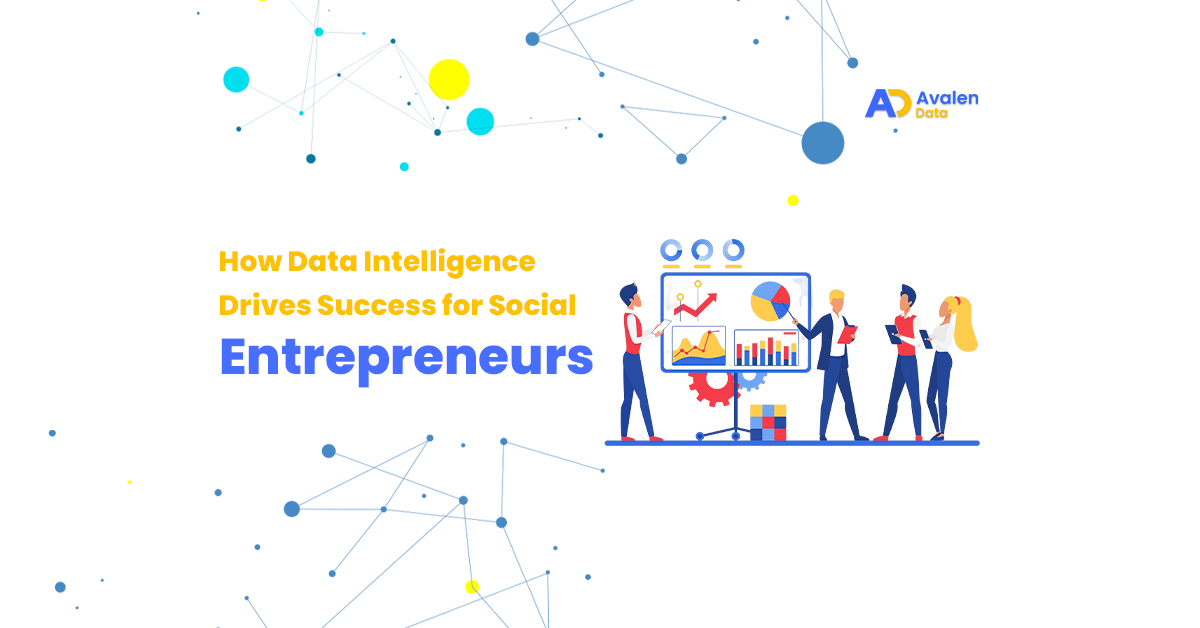
Data intelligence refers to the process of gathering, analyzing, and applying data to make informed strategic decisions. For social entrepreneurs, it means using insights from data to understand beneficiaries, optimize programs, and demonstrate impact to stakeholders.
Instead of relying on intuition alone, data intelligence gives organizations the ability to act with clarity and confidence.
Social enterprises often work in complex environments with limited resources. Data intelligence provides a range of advantages:
Data helps reveal patterns in behavior, needs, and outcomes among the communities served. Rather than guessing what beneficiaries want, leaders can see real trends.
With clear insights on what works and what doesn’t, social entrepreneurs can allocate funding, time, and effort more efficiently. This reduces waste and increases the likelihood of success.
Data enables organizations to track tangible results. Whether it’s improved education outcomes, better health access, or increased economic opportunities, data makes impact visible.
Funders and partners increasingly require evidence of results. Data intelligence strengthens proposals and reporting by backing claims with numbers.
The first step is gathering meaningful data. This can come from surveys, program management systems, digital engagement tools, and even public data sources. The focus should be on data that reflects outcomes, behaviors, and experiences.
Collected data needs to be stored securely and organized for analysis. This often requires a central repository or database that teams can access and update.
This is where data becomes actionable. Tools like spreadsheets, business intelligence dashboards, and analytics software help turn raw data into insights that support decision-making.
Insights must be applied to strategy. Whether refining a program, adjusting outreach, redesigning services, or forecasting needs, data should inform action.
Instead of one-size-fits-all solutions, data intelligence helps identify specific local challenges. This ensures programs are tailored to real needs.
Social impact rarely happens overnight. Data enables leaders to track progress across weeks, months, and years — allowing them to adjust approaches and celebrate milestones.
Data can reveal which initiatives are most effective and which require improvement. This reduces trial-and-error and accelerates impact.
Clear data visualizations and metrics help tell a compelling story to donors, partners, and the wider public. This transparency strengthens trust and support.
With historical data and predictive analytics, organizations can anticipate challenges and opportunities before they arrive.
Here are common tools and technologies that make data intelligence possible:
Data dashboards — Visual representations of key performance indicators
Analytics platforms — Tools that analyze user behavior, trends, and patterns
CRM systems — Manage relationships with beneficiaries, volunteers, and funders
Survey tools — Capture feedback directly from stakeholders
Collaboration platforms — Ensure distributed teams work with the same data
Selecting the right tools depends on budget, team capacity, and the size of your programs.
Adopting data intelligence comes with hurdles — but they can be overcome.
Many social enterprises operate with constrained budgets. The solution is to start small — use cost-effective tools and focus on essential metrics first.
Incomplete or inconsistent data can lead to poor insights. Invest time in setting standards for data collection and validation.
Not all teams are familiar with data analysis. Partnering with volunteers, investing in training, or collaborating with universities can bridge skill gaps.
To get the most from data intelligence, consider these practices:
Define clear metrics linked to mission outcomes
Collect data ethically and transparently
Review data regularly and adapt strategies accordingly
Share insights with stakeholders through clear reporting
Protect sensitive data and respect privacy
By embedding data intelligence into daily operations, social enterprises become more resilient and strategic.
As technologies evolve — from AI to advanced analytics — the opportunity for social entrepreneurs will continue to grow. Next-generation tools will make data intelligence more accessible and actionable, even for small teams.
This means better targeting of interventions, deeper understanding of complex social issues, and more measurable impact across sectors.
Data intelligence is no longer a luxury — it’s a strategic advantage for social entrepreneurs committed to sustainable change. By leveraging data effectively, mission-driven organizations can:
Make smarter choices
Maximize impact
Strengthen credibility
Build long-term sustainability
If your organization is ready to move from instinct-based decisions to data-backed strategies, embracing data intelligence is the next step toward meaningful growth.
Account based marketing approach is a well-planned B2B marketing strategy, which targets high-value accounts (not individuals) to initiate one-on-one personalized communication.
On a more close-up level, ABM campaigns can be used for more than just lead generation purposes. With account-based marketing strategies, you can reach your existing customers for upselling and cross-selling your products/services to gain valuable deals.
Account-based marketing solely stands on the pillar of a personalization approach, as it plays a key role in driving customers’ interest.
According to a survey by McKinsey, around 71% of customers anticipate personalized communication from the brands.
And these are just daily consumers; imagine the level of anticipation that company CEOs, decision makers, and key stakeholders hold.
This clearly indicates that ABM strategy is the popular choice among the B2B brands, looking to sell products and services to large accounts, such as public establishments, legal firms, healthcare systems, and much more.
High-quality, verified marketing data that helps B2B teams reach the right audience and grow faster.
30 N Gould St Ste R Sheridan, WY 82801.
+1 929-297-9875
info@avalendata.com
© Avalen Data. All Right Reserved 2025.